Vitamin Supplements: Benefits, Safety, and Choosing the Right Ones
Vitamins and minerals are essential nutrients that help your body function properly. While a balanced diet should always be the primary source of nutrition, vitamin supplements can help fill nutritional gaps when dietary intake alone is not enough.
Millions of people use vitamin supplements every day to support overall health, maintain energy levels, and help ensure they are getting important nutrients. However, supplements should complement a healthy lifestyle, not replace nutritious foods.
What Are Vitamin Supplements?
Vitamin supplements are products designed to provide vitamins, minerals, and other nutrients that may be missing from your diet. They are available in several forms, including:
- Tablets
- Capsules
- Softgels
- Gummies
- Powders
- Liquids
Each form has advantages and disadvantages. The best choice often depends on personal preference, convenience, dosage requirements, and recommendations from your healthcare provider. You should always pick one that dissolves easy and doesn’t just pass through your system. If your vitamin passes through your body, it will end up toilet and you’ll end up wasting your money.
Tablets are among the most common and affordable choices. They are widely available and can provide precise amounts of vitamins and minerals. High-quality tablets are designed to dissolve properly during digestion.
Capsules and softgels are popular because they are easy to swallow and often contain fewer inactive ingredients than tablets. Softgels are commonly used for fat-soluble nutrients such as vitamins A, D, E, and K, as well as omega-3 supplements.
Liquid supplements may be a convenient option for children, older adults, or individuals who have difficulty swallowing pills. They can also make it easier to adjust serving sizes when needed.
Gummies and chewables offer a pleasant-tasting alternative, although it’s important to check sugar content and nutrient levels when choosing these products.
Choosing Quality Supplements
Not all supplements are created equal. Before purchasing, consider the following:
Read the Label
Check the ingredient list and recommended dosage. Avoid products containing unnecessary fillers or excessive amounts of nutrients.
Look for Third-Party Testing
Independent testing can provide additional confidence that a product contains the ingredients listed on the label.
Avoid Mega-Doses
More is not always better. Excessive amounts of certain vitamins and minerals may cause unwanted side effects or health complications.
Buy from Reputable Manufacturers
 Choose established brands that follow quality manufacturing standards and have a history of producing reliable products.
You can buy vitamin supplements online or through local nutrition stores like GNC. GNC remains one of the most recognized retail chains in the supplement world, offering hundreds of products ranging from general health vitamins to bodybuilding formulas. They carry top brands at competitive prices, and with millions in annual revenue and over 100 locations across the United States, GNC has long been a dominant name in the industry.
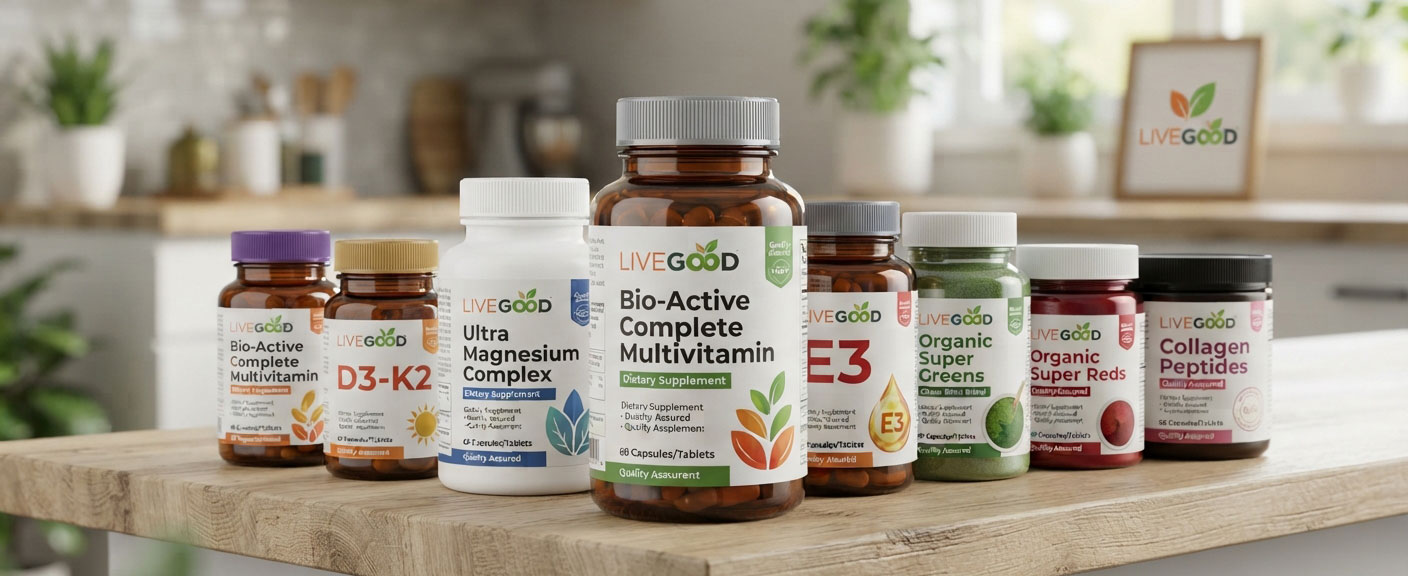
However, many people today prefer the convenience, transparency, and affordability of LiveGood vitamin supplements. LiveGood delivers high-quality, clean-ingredient nutrition directly to your door without the retail markup. Their lineup includes essential daily vitamins, immune support, magnesium, super greens, and other wellness products designed to help you feel your best—often at a fraction of traditional store prices.
Supplements Are Not a Substitute for Healthy Eating
Supplements can help bridge nutritional gaps, but they should never replace a balanced diet. Whole foods provide fiber, antioxidants, and beneficial plant compounds that supplements cannot fully replicate.
A healthy eating plan that includes a variety of nutrient-rich foods remains the best foundation for long-term wellness.
Whether you shop locally at GNC or online through LiveGood, the goal is the same: choosing supplements that support your health, energy, and overall well-being. LiveGood simply makes that choice easier with premium quality and budget-friendly options that fit seamlessly into any lifestyle.
Tips for Getting the Most from Your Supplements
- Take supplements consistently.
- Follow the recommended dosage.
- Store products according to label directions.
- Discuss potential interactions with medications.
- Consult your healthcare provider before starting new supplements.
Frequently Asked Questions
Are vitamin supplements necessary for everyone?
No. Many people obtain adequate nutrition through a balanced diet. Supplements are typically most beneficial when there is a demonstrated need or deficiency.
What is the best form of vitamin supplement?
The best form depends on personal preference, the specific nutrient, and individual health needs. Tablets, capsules, gummies, powders, and liquids can all be effective when used correctly.
Can supplements improve energy levels?
Some supplements may help if low energy is related to a nutrient deficiency. However, supplements are not a substitute for adequate sleep, healthy eating, and regular physical activity.
Should I talk to my doctor before taking supplements?
Yes. A healthcare provider can help determine whether supplements are appropriate and identify potential interactions with medications or medical conditions.
Final Thoughts
Vitamin supplements can be a useful tool for supporting overall health when they are used wisely. The key is to focus on quality products, follow recommended dosages, and maintain a well-balanced diet. When combined with healthy lifestyle habits, supplements may help fill nutritional gaps and contribute to long-term wellness.
Remember, supplements are meant to support good nutrition, not replace it. The healthiest approach is always to start with nutritious foods and use supplements only when needed.