
Understanding Key Health Conditions: What You Need to Know
Health challenges affect millions of people every day, but knowledge is one of the most powerful tools we have. When you understand how conditions develop — and what supports better outcomes — you can make informed choices that strengthen your long-term wellness. Here’s a practical overview of several major health conditions and the lifestyle factors that influence them.
Diabetes: Managing Blood Sugar for Better Living
Diabetes affects how your body processes glucose, leading to high blood sugar levels that can damage organs over time.
Key factors that support better control:
- Balanced meals with steady carbohydrates
- Regular physical activity
- Weight management
- Monitoring blood sugar
- Reducing processed sugars
Small, consistent changes often make a big difference in energy, mood, and long-term health.






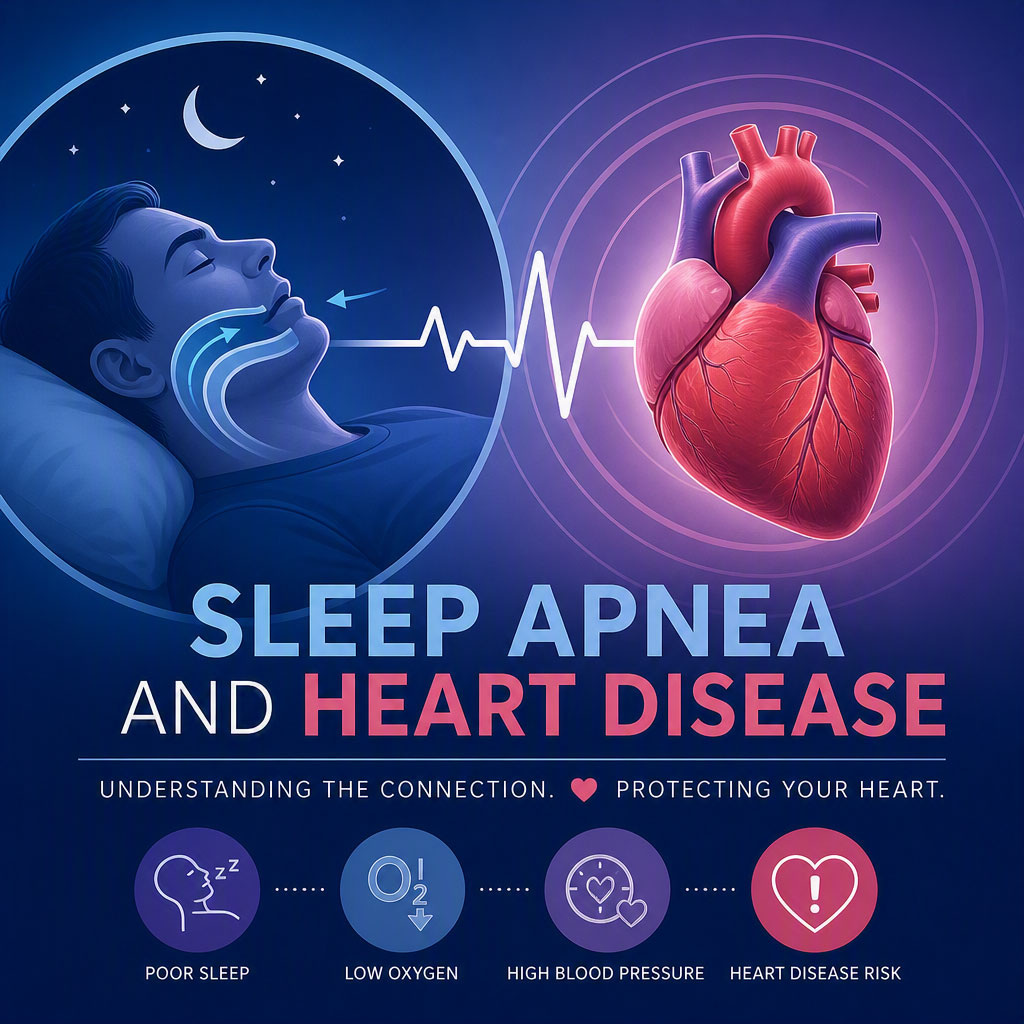



Heart Health: Protecting Your Most Vital Organ
Heart disease remains one of the most common health challenges worldwide. It’s influenced by lifestyle, stress, diet, and genetics.
Heart-supportive habits include:
- Eating heart-healthy fats (olive oil, nuts, fish)
- Managing blood pressure
- Staying active
- Reducing sodium
- Avoiding smoking
Your heart responds quickly to positive changes — even small improvements matter.
Cancer: Awareness, Prevention, and Early Detection
Cancer develops when abnormal cells grow uncontrollably. While not all cancers are preventable, lifestyle choices and early detection play a major role.
Helpful steps include:
- Regular screenings
- Avoiding tobacco
- Maintaining a healthy weight
- Eating antioxidant-rich foods
- Managing stress
Knowledge and early action often lead to better outcomes.






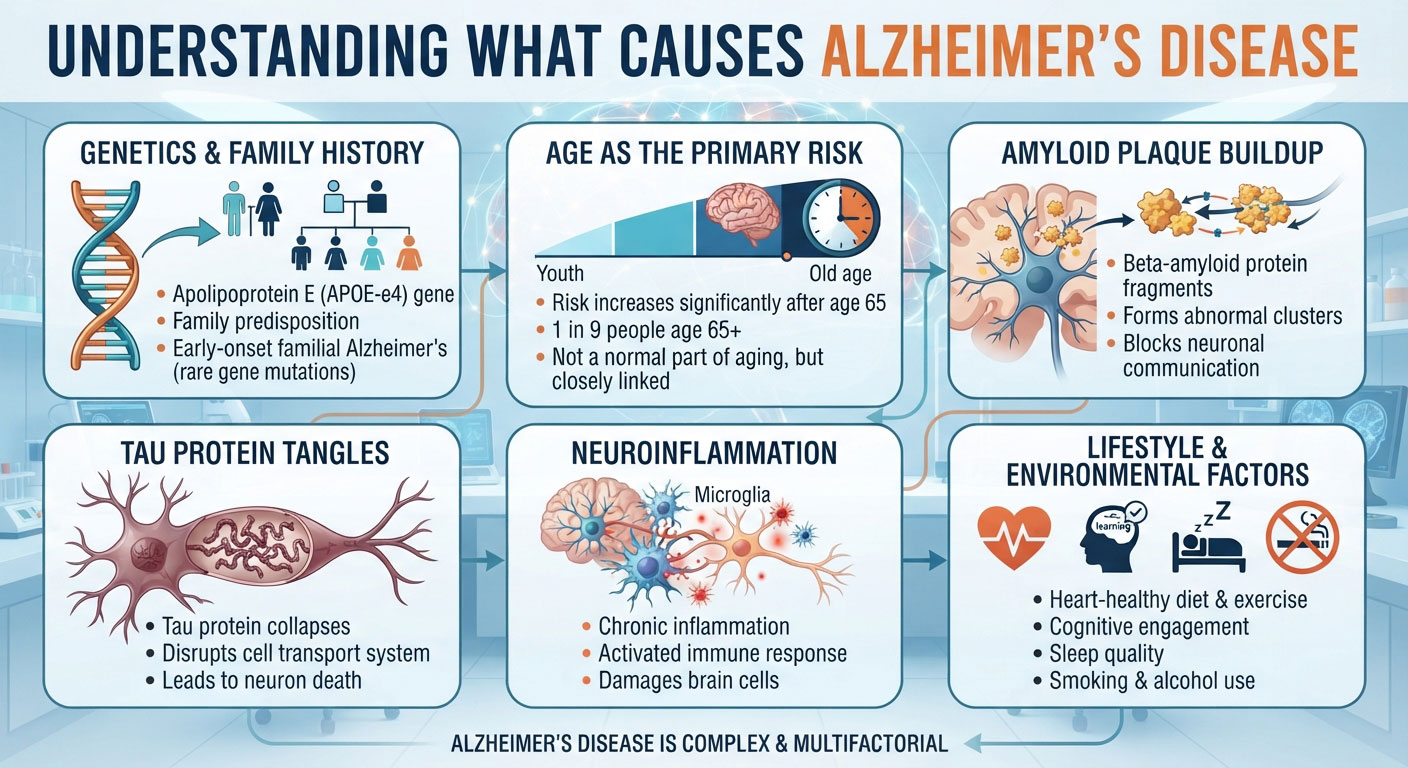



Alzheimer’s & Dementia: Supporting Brain Health
These conditions affect memory, thinking, and behavior. While there is no cure, certain habits may support cognitive function.
Brain-supportive habits:
- Staying mentally active
- Regular exercise
- Omega-3 rich foods
- Quality sleep
- Social engagement
Protecting brain health is a lifelong process — and every healthy habit helps.
Arthritis: Reducing Pain and Improving Mobility
Arthritis causes inflammation, stiffness, and joint pain. It can affect daily movement and overall quality of life.
Helpful approaches:
- Anti-inflammatory foods
- Gentle exercise (walking, swimming, stretching)
- Maintaining a healthy weight
- Heat/cold therapy
- Joint-friendly supplements (like omega-3s or turmeric)
Movement is medicine — even small amounts help reduce stiffness.






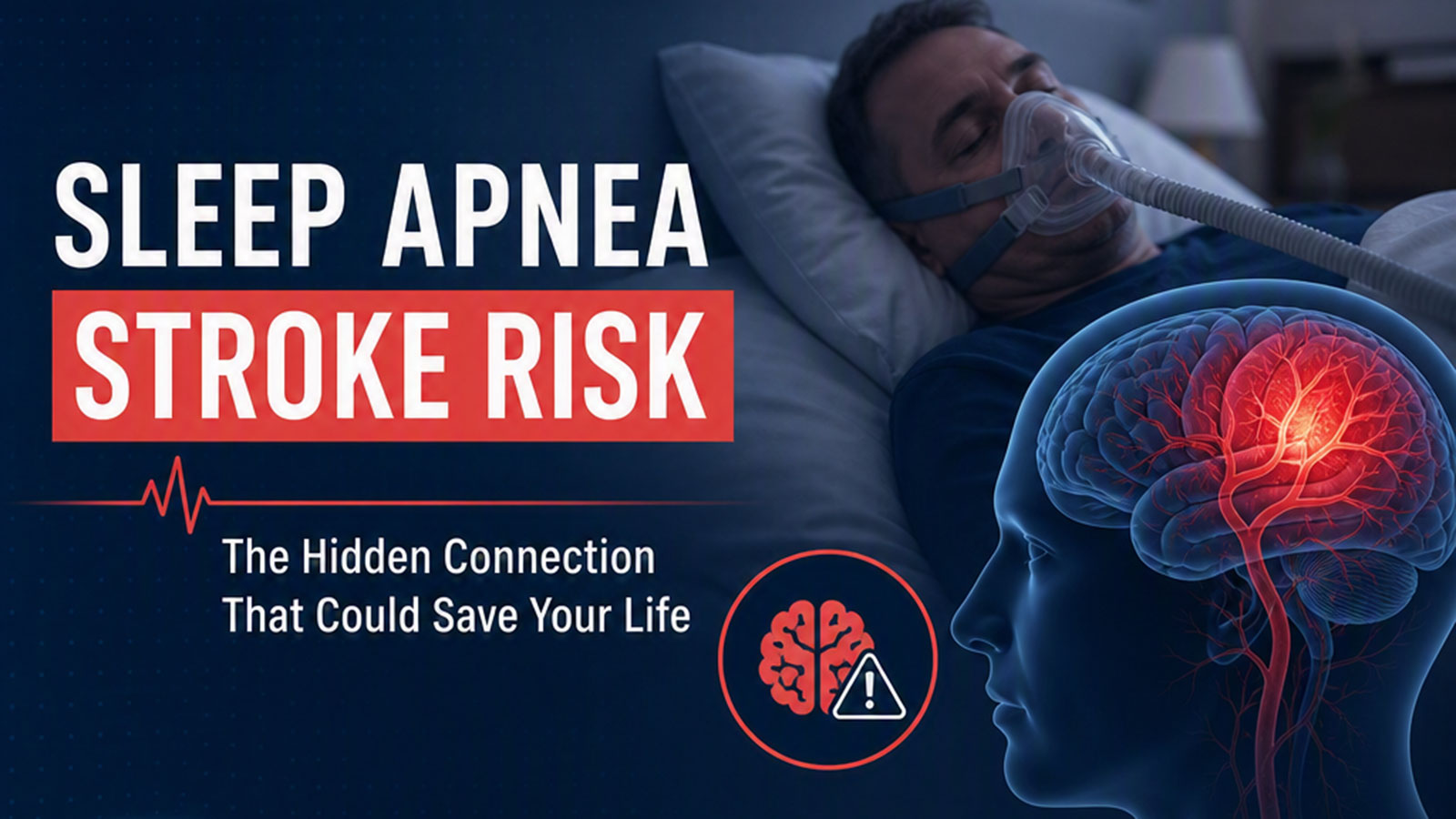

Sleep Disorders: Restoring Healthy Sleep Patterns
Sleep disorders like insomnia, apnea, and restless legs can drain energy, mood, and focus.
Better sleep habits include:
- Consistent sleep schedule
- Limiting screens before bed
- Managing stress
- Creating a dark, cool sleep environment
- Seeking evaluation for snoring or apnea symptoms
Good sleep is foundational to every other aspect of health.
Digestive Health: Keeping Your Gut in Balance
Digestive issues — from acid reflux to IBS — affect nutrient absorption, comfort, and overall wellness.
Gut-supportive habits:
- Eating fiber-rich foods
- Staying hydrated
- Probiotics and fermented foods
- Avoiding trigger foods
- Managing stress
A healthy gut supports immunity, mood, and energy.






Allergies: What You Need to Know
Allergies can create ongoing problems by triggering inflammation, congestion, fatigue, and breathing issues that make everyday life harder.
Allergy-free steps:
- Reduce exposure to known triggers
- Keep indoor air clean
- Strengthen your immune system
- Monitor seasonal changes
You can take simple steps toward being allergy?free by reducing exposure to triggers, keeping your environment clean, and supporting your immune system through healthy habits.
Autism: Seeing the Whole Person
The challenge of autism often lies in navigating communication, sensory overload, and social expectations in a world not built for neurodiverse needs.
Understanding Autism:
- Build predictable routines
- Use clear, supportive communication
- Reduce sensory overload
- Focus on strengths
- Provide patient, consistent support
Successfully dealing with autism often means creating supportive routines, reducing sensory stress, and building on individual strengths so daily life becomes more manageable and empowering.









Pain: Understanding and Managing Chronic Discomfort
Chronic pain can come from injury, inflammation, nerve issues, or underlying conditions. It affects daily life and emotional well-being.
Helpful strategies:
- Anti-inflammatory nutrition
- Gentle movement
- Stress reduction
- Physical therapy
- Adequate sleep
- Mind-body practices (breathing, stretching, relaxation)
Pain management is often a combination of lifestyle, therapy, and medical support.
Final Thoughts
Health conditions can feel overwhelming, but understanding them is the first step toward taking control. Small, consistent lifestyle choices — better nutrition, movement, sleep, and stress management — support every system in the body. Knowledge empowers you to make decisions that strengthen your future.