All About Vitamin K
There are three different forms of Vitamin K
- The first variant of the K vitamin is vitamin K1, also known as phylloquinone. This is the form of the K vitamin that is found in plant foods.
- The second form of the K vitamin is the vitamin K2, or menaquinone. This type of the K vitamin is formed by friendly bacteria in the intestines.
- Thirdly, there is vitamin K3 which is also known as menadione and is actually an artificial form of the K vitamin.
All three of these types of K vitamin end up in the liver where it is used to create the blood clotting substances.
Health Benefits of Vitamin K
Supports Healthy Blood Clotting
Vitamin K is best known for helping the body form blood clots after an injury. This process helps stop excessive bleeding and supports normal wound healing.
Promotes Strong Bones
Vitamin K helps regulate calcium and supports the formation and maintenance of healthy bones. Adequate vitamin K intake may contribute to long-term bone health, especially as we age.
Supports Overall Wellness
By helping direct calcium to where it is needed most, vitamin K contributes to several important processes throughout the body.
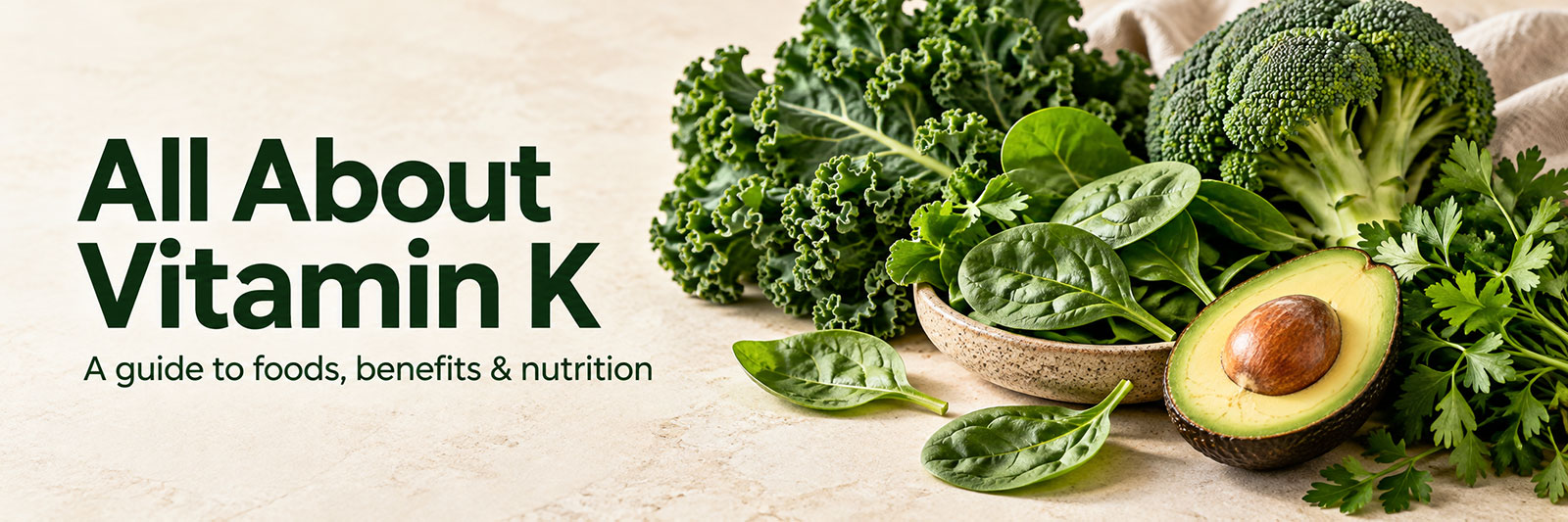
The best natural sources of the K vitamin are green leafy vegetables.

One of the easiest ways to maintain healthy vitamin K levels is through your diet. Excellent food sources include:
- Spinach
- Kale
- Collard greens
- Swiss chard
- Broccoli
- Brussels sprouts
- Lettuce
- Other green leafy vegetables
Green vegetables are among the richest natural sources of vitamin K1.
Vitamin K Deficiency
Vitamin K deficiency is relatively uncommon because the body obtains vitamin K from both food and beneficial bacteria in the intestines. However, certain groups may be at greater risk.
Possible signs of deficiency can include:
- Easy bruising
- Excessive bleeding
- Slow clotting after injuries
- Increased risk of bone-related issues
Newborn infants may have lower vitamin K levels because they have not yet developed sufficient intestinal bacteria. For this reason, vitamin K supplementation is commonly provided shortly after birth in many developed countries.
People taking long-term antibiotics may also experience reduced vitamin K production because antibiotics can affect beneficial intestinal bacteria.
Apart from the main function of helping blood to clot, the K vitamin, specifically the Vitamin K1, has an important part to play in the bone building process. This K vitamin is required to retain the calcium in the bones and redistribute it to where it is needed.
Should You Take a Vitamin K Supplement?
Most healthy individuals can obtain adequate vitamin K through a balanced diet rich in vegetables. However, those with certain medical conditions, dietary restrictions, or concerns about vitamin K levels should consult a healthcare professional before taking supplements.
Frequently Asked Questions
What is vitamin K used for?
Vitamin K helps blood clot properly and supports bone health.
Which foods are highest in vitamin K?
Leafy greens such as kale, spinach, collard greens, and broccoli.
What are the signs of vitamin K deficiency?
Easy bruising, prolonged bleeding, and poor bone health.
Can vitamin K interfere with medications?
Yes. Vitamin K can affect blood-thinning medications such as warfarin.
References
- National Institutes of Health Office of Dietary Supplements. Vitamin K Fact Sheet for Health Professionals. The NIH explains that vitamin K functions in blood clotting, bone metabolism, and other physiological processes, and discusses vitamin K1 (phylloquinone) and vitamin K2 (menaquinones). [ods.od.nih.gov]
- National Institutes of Health Office of Dietary Supplements. Vitamin K Fact Sheet for Consumers. The NIH notes that vitamin K is important for healthy bones and blood clotting and that green leafy vegetables are a primary food source. [ods.od.nih.gov]
- Mayo Clinic Health System. Common Questions About Vitamin K. Mayo Clinic explains that vitamin K helps blood clot and notes that intestinal bacteria also produce some vitamin K that the body can absorb. [mayoclinic…system.org]
- Cleveland Clinic. What To Know About Vitamin K2 and Its Health Benefits. Cleveland Clinic discusses the differences between vitamin K1 and vitamin K2 and their roles in blood clotting, bone health, and heart health. [health.cle…clinic.org]
- Harvard T.H. Chan School of Public Health – The Nutrition Source. Vitamin K. Harvard explains that vitamin K is needed for proteins involved in blood clotting and bone formation and discusses the relationship between vitamin K and anticoagulant medications. [nutritions…arvard.edu]