Sleep Apnea Symptoms
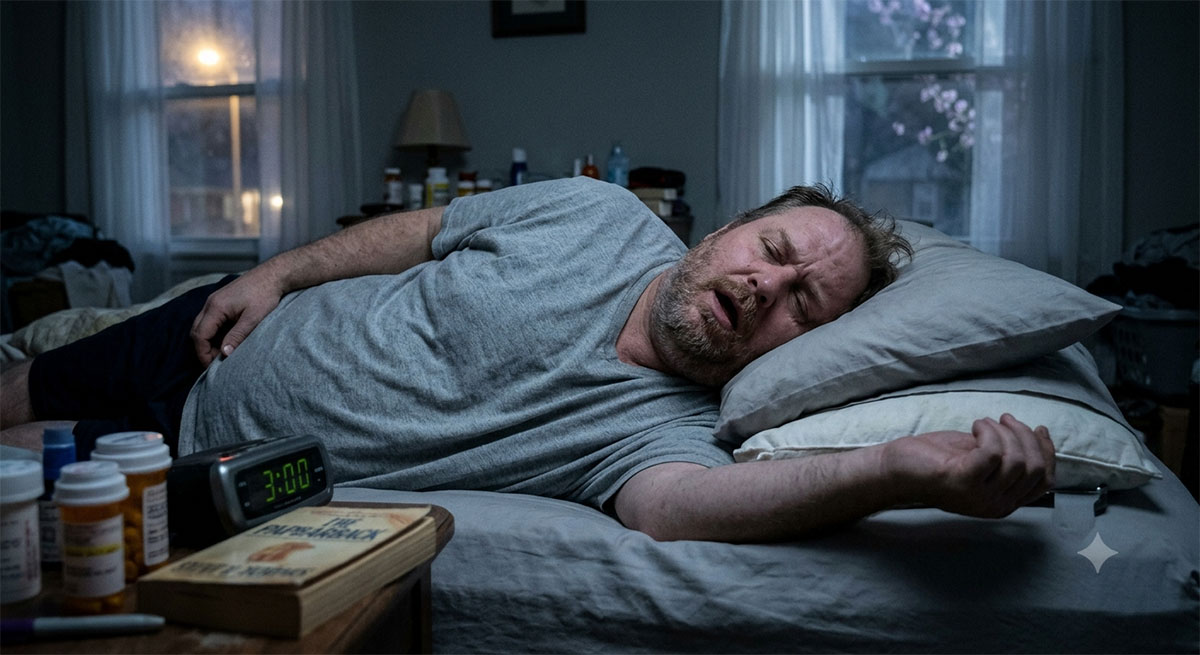
Sleep apnea is a serious sleep disorder marked by repeated pauses in breathing during the night. Because these interruptions can lead to significant health problems, recognizing the symptoms early and seeking medical evaluation is essential. Many signs of sleep apnea overlap with common sleep issues, but there are specific indicators that can help you determine whether this condition may be affecting you.
Understanding the Symptoms
One of the most common symptoms of sleep apnea is daytime sleepiness. People with sleep apnea rarely reach deep, restorative sleep because their breathing repeatedly stops and starts. As a result, they often feel tired no matter how long they were in bed.
However, sleepiness is only one part of the picture. Sleep apnea can also cause symptoms similar to general sleep deprivation, such as:
- Morning headaches
- Dry mouth
- Difficulty waking feeling refreshed
When these symptoms occur frequently, they may signal that breathing interruptions are happening throughout the night.
Other symptoms are less obvious and easier to overlook. These include:
- Problems with concentration
- Forgetfulness
- Irritability or mood changes
- Depression or low motivation
Because these issues can be caused by stress, aging, or lifestyle factors, many people don’t immediately connect them to a sleep disorder.
Breathing Interruptions and Snoring are Sleep Apnea Symptoms
One of the hallmark signs of sleep apnea is the complete loss of airflow multiple times per night. Many sufferers stop breathing repeatedly without realizing it. A sleep partner may notice loud snoring, followed by pauses, choking, or gasping for air. Not everyone who snores has sleep apnea, but heavy snoring combined with breathing pauses is a strong warning sign.
In children, snoring may be softer or less pronounced, making professional evaluation even more important.
What You Can Try at Home
If you’re unsure whether your symptoms stem from sleep apnea or simply poor sleep habits, you can start by improving your sleep routine. Keeping consistent bedtime hours, avoiding caffeine late in the day, and creating a calming nighttime routine can help improve sleep quality. If your daytime sleepiness improves over time, the problem may have been related to sleep habits.
However, if symptoms persist despite better sleep hygiene, sleep apnea may be the underlying cause—and that’s when medical evaluation becomes important.
Why Early Diagnosis of Sleep Apnea Symptoms Matters
A formal diagnosis requires observation during sleep, usually through a sleep study. This allows a physician to monitor breathing patterns, oxygen levels, and sleep stages to determine whether sleep apnea is present.
Early diagnosis is crucial. According to article published by National Institutes of Health, “If obstructive sleep apnea is diagnosed early enough then sleep may regain its restorative function, daytime performance may be improved and accident risk as well as cardiovascular risk may be normalized.” Left untreated, sleep apnea can lead to serious health complications, including:
- High blood pressure
- Heart disease
- Increased risk of stroke
Regardless of age or medical history, symptoms of sleep apnea should never be ignored. If you’re concerned that you or someone you love may have sleep apnea, consult your physician. Getting answers now can make a meaningful difference in long-term health and quality of life.